My old PHP therapist, Jon, always said, “If people just utilized deep breathing and exercise in their therapy, I would most likely be out of a job.”
That’s not a slight on his job or a dismissal of people’s problems. It speaks volumes though about how important, yet underutilized, deep breathing and exercise are as tools in your therapy toolbox.
For purposes of this post today though, let’s just focus on deep breathing.
WHY DEEP BREATHING
Playing devil’s advocate, why NOT deep breathing? You have to breathe anyway (on average, 20,000 times a day!) so you might as well, right?
But there’s more to it than that.
Scientifically speaking…
deep breathing activates your vagus nerve which sparks your parasympathetic nervous system (PNS) into action. The PNS is that part of you that controls rest, healing, digestion and other automatic bodily functions like blood circulation, urination, etc.
Deep breathing also does the obvious: it makes you inhale more oxygen, which provides more oxygen to your brain and other organs.
And it does less obvious things too….like reduce blood pressure, improve immunity, and boost muscle response. 🤯
Therapeutically speaking…
when more oxygen is supplied to your brain, your parasympathetic nervous system is turned on, and all these bodily enhancements are occurring, deep breathing ALSO reduces your stress hormones (cortisol!) and helps you sleep better.
This translates to…
- helps you manage stress and anxiety
- grounds you
- releases pent-up emotions
- improves concentration
- prevents panic attacks (or gets you out of them)
- elevates your mood
- provides clarity of thought
- manages pain
- reduces depression
And it takes as little as 5 minutes a day to practice deep breathing (though of course, the more you do it, the more natural it will become and the more effective it will be)!
DEEP BREATHING EXERCISES
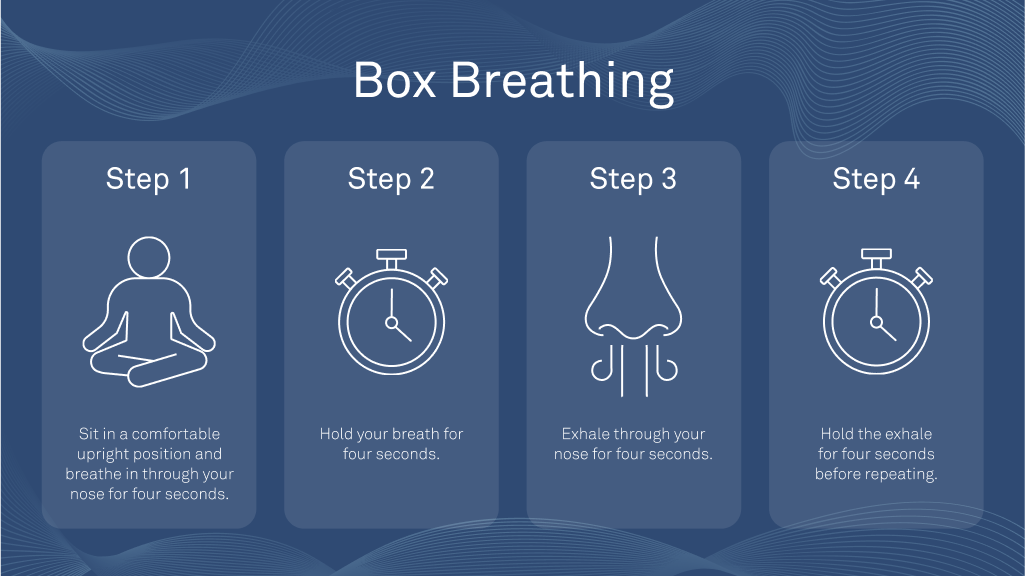
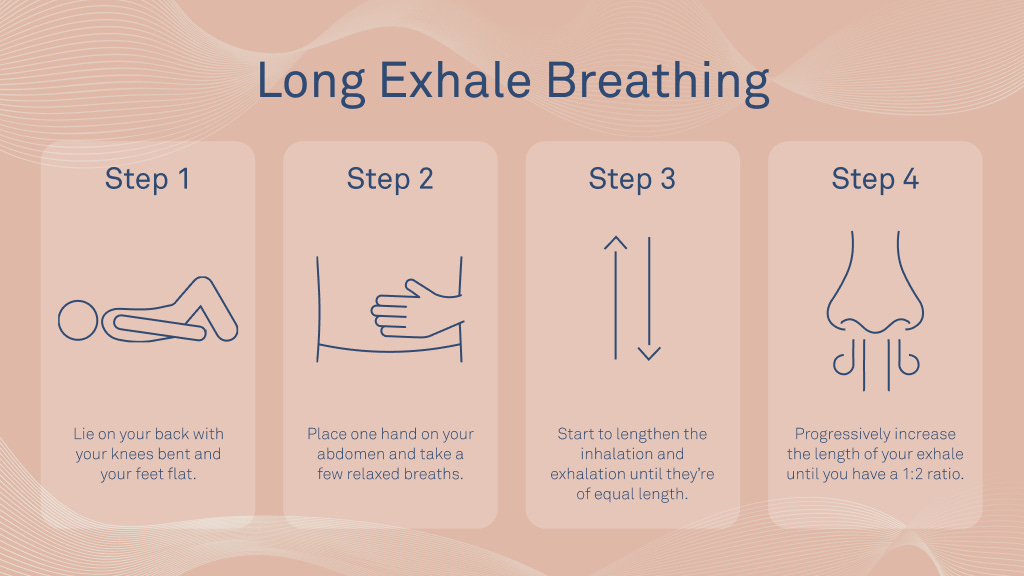
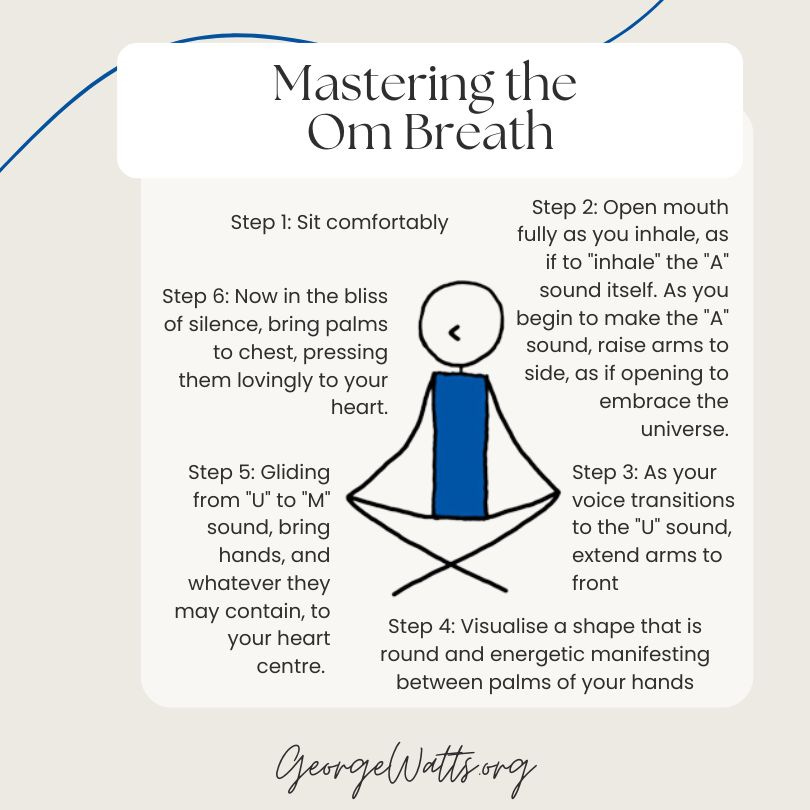
There are quite a few different exercises out there. Try them all! See which one works best for you.
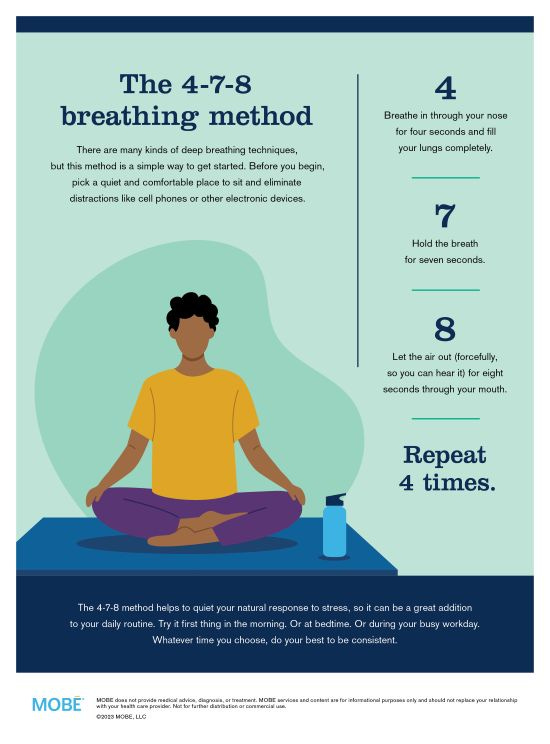
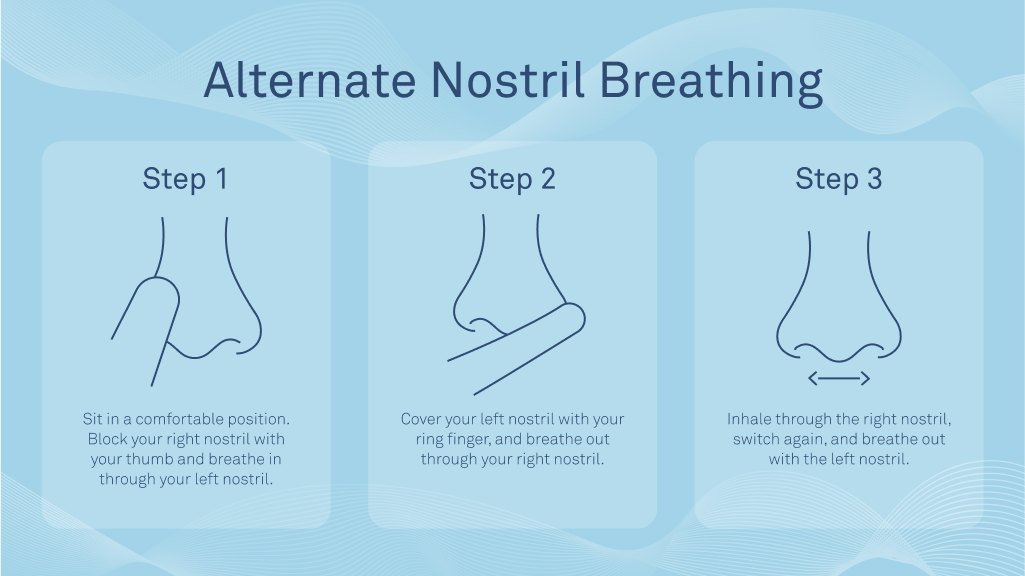
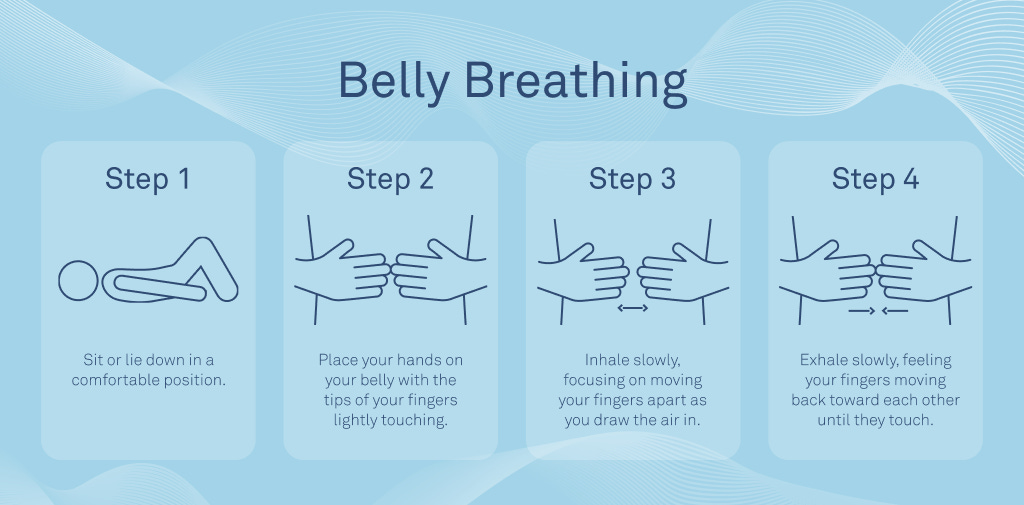
Boxed Breathing (aka Paced Breathing)
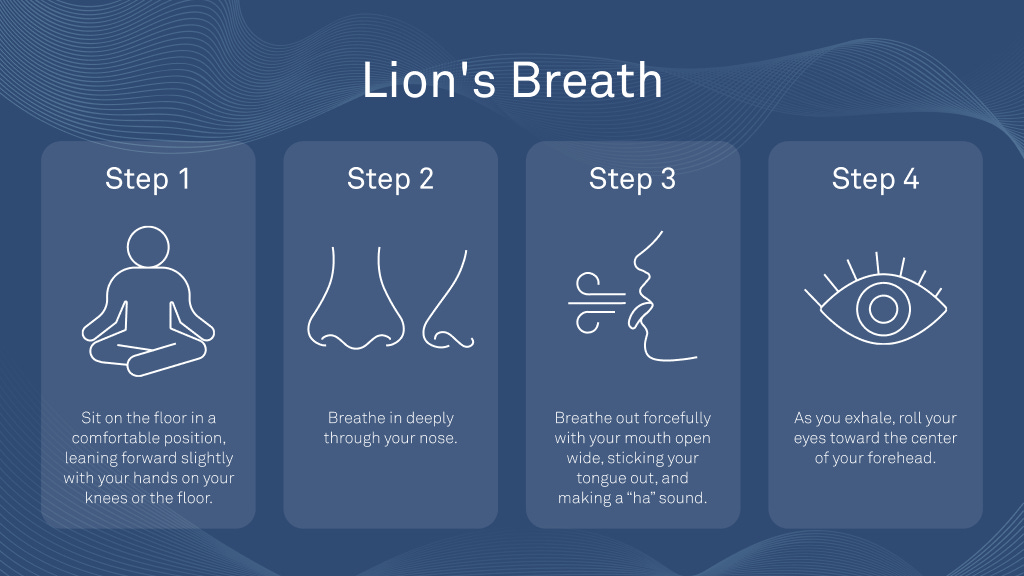
Lion’s Breathing (yep, you’re supposed to roar like a lion with this one)
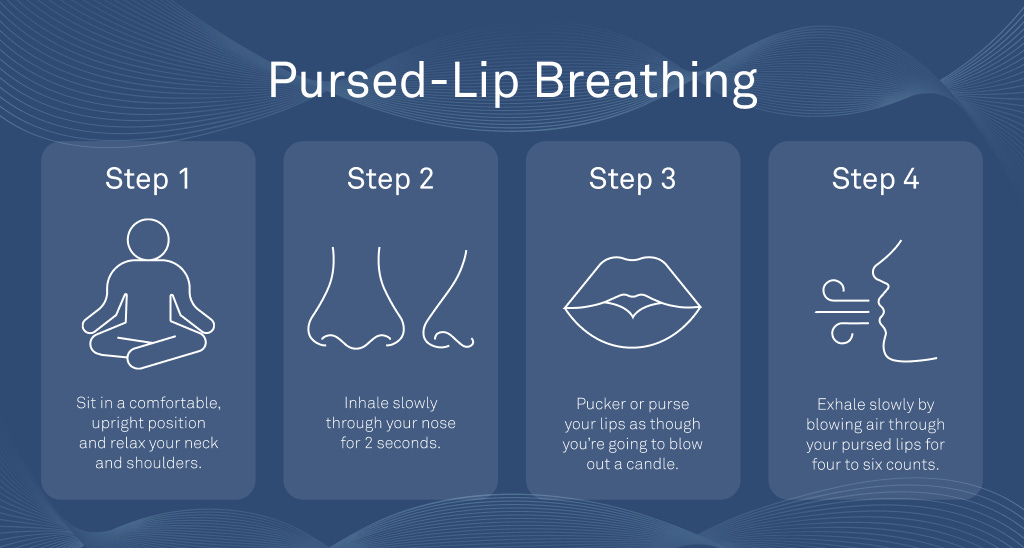
Pursed Lip Breathing (which can also help with COPD!)
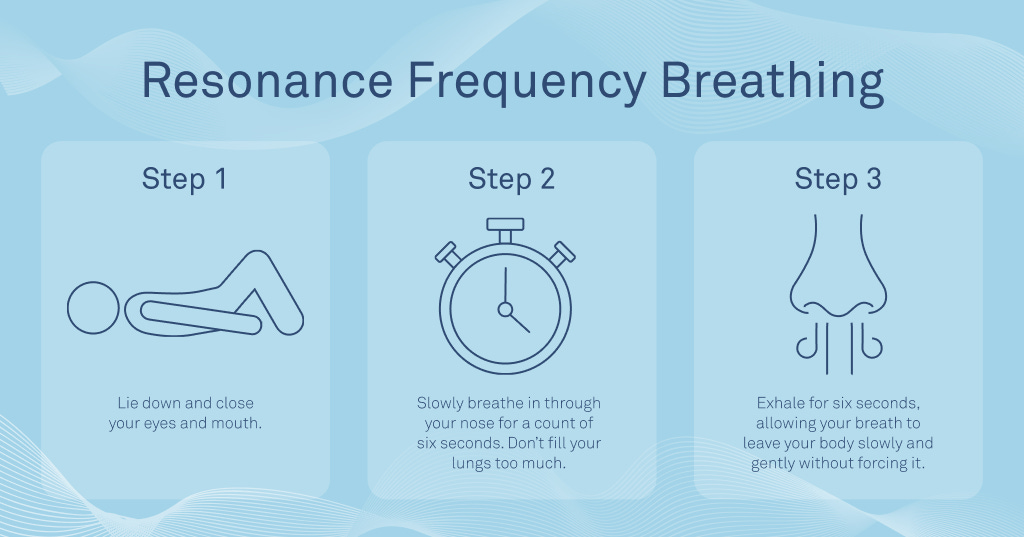
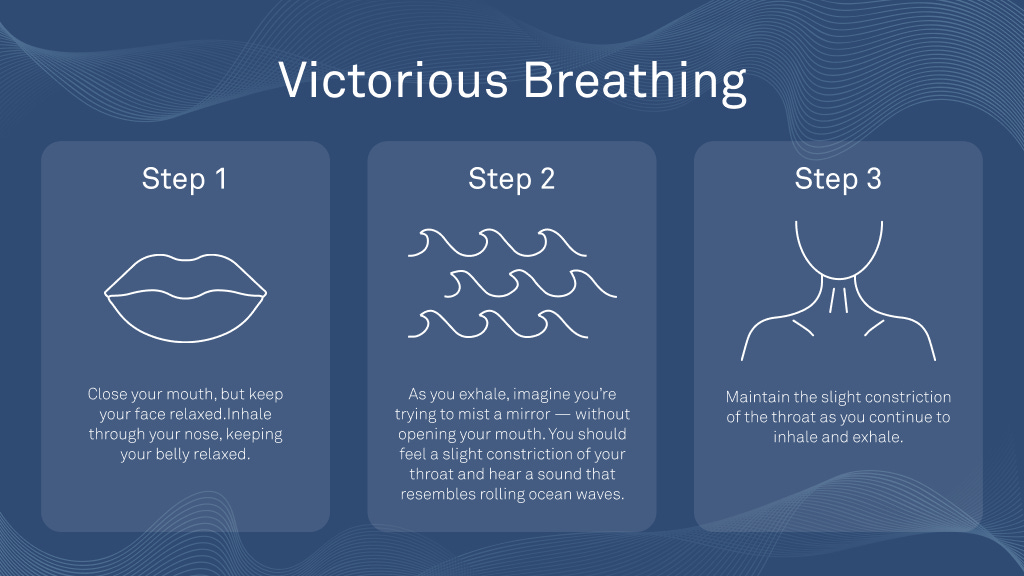
OTHER THINGS YOU CAN COMBINE WITH DEEP BREATHING
If you want to do more than just breathe deeply, you can add these with your practice:
- Affirmations: As you inhale and exhale, you can recite affirmations or phrases that you are trying to instill in your brain. For me, I think things like, “I am just as worthy of love as anyone else.” “I choose to accept my body and limitations.” “I am safe.” As my papa told me to say, “I am beautiful and smart.” Etc.
- Aromatherapy: I am not that into essential oils, but a lot of people are really gung ho about it. Put lavender oil in your diffuser (or however you use essential oils) while you practice deep breathing, or use other anxiety-reducing scents like frankincense, bergamot, chamomile, vetiver, and ylang ylang.
- Exercise: You can practice deep breathing while you walk, strength train, practice yoga or tai chi.
- Mindfulness/Meditation: Practicing mindfulness is sometimes just sitting and being aware of the thoughts that are going through your mind or enjoying the present moment. Guided meditations on YouTube are super helpful in grounding you in the present, and you can certainly practice deep breathing during both mindfulness and meditation.
- Progressive Muscle Relaxation: I wrote an earlier post on this here.
- Visualization: We’ve talked about this a little before, but it’s the practice of envisioning a peaceful scene, like the beach or a forest glade, and thinking about how your senses are being stimulated there. What do you see, hear, feel, smell, taste even? Adding deep breathing to this exercise only enhances it.
ANOTHER TYPE OF DEEP BREATHING TO EXPLORE
If you want to go a step further in trying out different deep breathing techniques or if you are looking for a more spiritual, transcendental experience, you can try Holotropic Breathwork. With this deep breathing technique, you take short, quick breaths for a period of time which actually reduces oxygen in your bloodstream and causes your body to release a chemical called DMT (dimethyltryptamine). When this happens, supposedly a person enters a psychedelic or dream-like experience, or an altered state of consciousness, and it frees the mind up so that people can deal with things or unleash creative parts of them buried in their subconscious. I have not done holotropic breathwork, but it is wise to do it with a trained therapist since trauma unlocked can cause deep distress and anxiety, which is the exact opposite of what you’re looking to do with deep breathing. If you want to read more, check out Cleveland Clinic’s article here.
IN SUMMARY:
As Thich Nhat Hanh said, “As I breathe in, I relax the body. As I breathe out, I smile.” Deep breathing has been very beneficial for me as I struggle to manage my chronic pain, PTSD, and depression so I hope some of this will be helpful to you too. I am confident at least one of these exercises will fit what you need. We breathe anyway, so why not incorporate deep breathing into our daily lives?!
Keep on keeping on, friends.